Navigating the Digital Heartscape: A Comprehensive Review of Online Dating

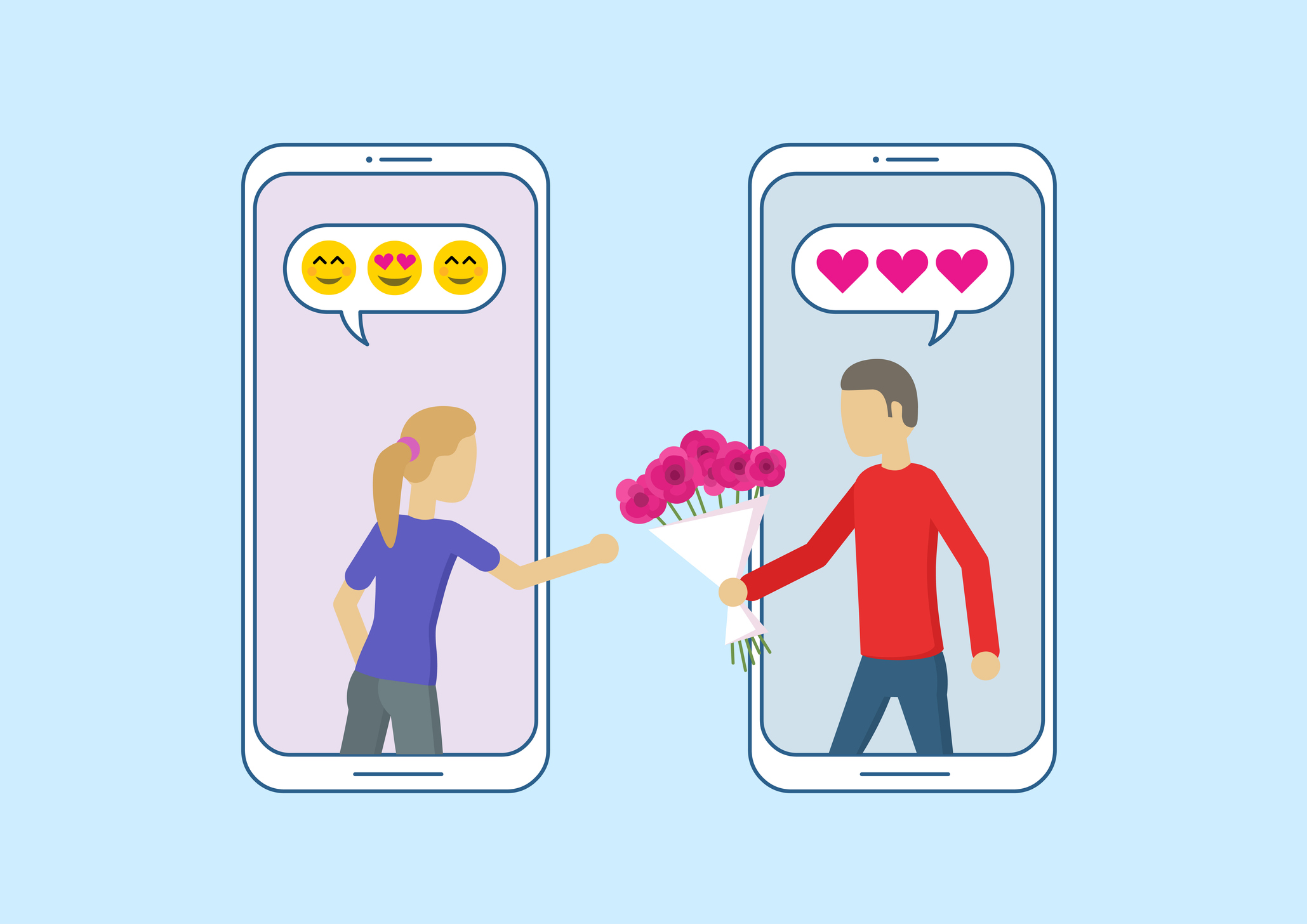
In an increasingly interconnected yet paradoxically isolated world, the landscape of romantic connection has undergone a profound transformation. No longer solely defined by serendipitous encounters or introductions through mutual friends, the quest for companionship and love has migrated to a vibrant, ever-evolving digital realm: online dating. This phenomenon has reshaped societal norms, sparked countless conversations, and fundamentally altered how millions seek meaningful relationships. But what truly lies beneath its polished interfaces and carefully crafted profiles? Is this digital frontier a genuine pathway to profound connection, or merely a fleeting illusion of intimacy? Through extensive analysis, we dissect the intricate mechanisms, the triumphs, and the tribulations of this ubiquitous modern-day courtship ritual. Our findings reveal a tool of immense potential, yet one fraught with complexity, demanding a nuanced understanding to truly harness its power.
Table of Contents
Key Features of the Digital Dating Ecosystem
The core functionalities defining online dating center on its pervasive ecosystem. At its heart, the paramount feature is its accessibility. Imagine a bustling, global marketplace of human connection, open 24/7, where individuals can browse, interact, and potentially forge bonds from anywhere. This fundamental promise has revolutionized the dating experience, making it available to a far broader demographic than ever before.
Central to this experience is the profile-centric design. Users curate digital avatars, presenting carefully selected photos, self-descriptions, interests, and aspirations. These profiles act as personal billboards, meticulously crafted to attract compatible individuals—a delicate art balancing authenticity with aspiration for an accurate and appealing initial impression. Complementing this is the matching algorithm. These often-mysterious engines crunch vast data points – user preferences, stated interests, activity patterns – to present potential matches. Some algorithms prioritize proximity, others delve into personality questionnaires, and many learn from user behavior (like swiping or liking) over time. While often opaque, these algorithms serve as the digital age's invisible matchmakers, striving to connect kindred spirits.
Further enhancing the experience are diverse communication tools, from initial "likes" or "swipes" to text messaging, and increasingly, in-app voice or video calls. This staged approach allows users to gauge interest and build rapport before an in-person meeting. Beyond general platforms, a significant characteristic is the sheer variety of niche platforms catering to specific interests, faiths, hobbies, demographics, or relationship types. This segmentation allows for highly targeted searches, increasing the chances of finding someone truly compatible, much like specialized boutiques.
Performance: Opportunities and Challenges
Evaluating online dating's "performance" requires looking beyond mere metrics like match rates to the quality and longevity of the connections it fosters. Its impact is mixed, yet undeniable. It excels in broadening horizons, introducing individuals to people they would never encounter in their daily lives, thereby breaking down geographical and social barriers. This expansion of the dating pool is particularly beneficial for those in smaller communities, with demanding jobs, or very specific partner criteria. Online dating acts as a powerful demographic sieve, allowing users to filter by age, location, interests, and even deeper compatibility markers—an efficiency traditional dating seldom affords.
However, its performance is also characterized by a unique set of challenges. The initial barrier of crafting an engaging profile can be daunting, and the sheer volume of choices can lead to a paradox of choice, where too many options make commitment difficult. This often manifests as "ghosting" or a perpetual search for "better" options. Furthermore, the asynchronous nature of text-based communication, while convenient, can sometimes mask true chemistry or exacerbate misinterpretations. Nuances like tone, body language, and immediate reactions, critical in face-to-face interactions, are largely absent until an in-person meeting.
A key strength is its ability to facilitate initial contact, removing much of the social anxiety often associated with approaching strangers. This low-pressure environment to initiate conversation can be a huge boon for introverts or those who struggle with cold approaches. Yet, the transition from digital rapport to real-world connection is where many relationships falter. It requires a distinct skill set – patience, discernment, and the courage to meet someone who might be very different from their digital persona. Ultimately, online dating isn't about guaranteeing love; it's about optimizing the opportunity for connection, acting as a powerful launchpad.
A Brief History of Digital Romance
To truly appreciate the current state of online dating, understanding its remarkable journey is essential. What began in the dial-up era with rudimentary questionnaire-based matching services like Match.com in the mid-90s, offering a structured, almost scientific approach to compatibility, has exploded into a multifaceted global industry. These early platforms were pioneers, transforming the very concept of meeting someone by injecting logic and data into the often-chaotic world of romance. Initially viewed with skepticism, they nonetheless laid the foundational stone for what was to come.
The 2000s saw the rise of social media, which inadvertently normalized online interaction and paved the way for more specialized dating sites. Then came the mobile revolution. The launch of apps like Tinder in 2012, with its intuitive, game-like swipe interface, was nothing short of a seismic shift. This democratized the experience, making online dating accessible to a younger, broader demographic, and fundamentally changed the pace and perceived casualness of digital interaction. The focus shifted from lengthy profiles to immediate visual appeal and location-based matching, streamlining the process. Today, the landscape is incredibly diverse, with apps catering to every conceivable niche – from Hinge focusing on "designed to be deleted" long-term relationships, to Bumble empowering women to make the first move, to specific platforms for farmers, pet lovers, or even those with niche dietary preferences. This ongoing evolution showcases a constant adaptation to user needs, technological advancements, and shifting societal attitudes towards digital romance, transforming from a niche activity into a mainstream method of finding love and companionship.
Navigating the Digital Currents: Strategies for Success
Venturing into online dating without a strategy is akin to sailing into open waters without a compass. Success in this digital realm hinges on several key tactics. First and foremost, authenticity is paramount. While tempting to present an idealized version of yourself, genuine connections are built on truth. Your profile should reflect who you genuinely are, not who you think others want you to be, using recent, clear photos that actually look like you and writing bios that convey your personality and passions rather than generic clichés.
Another critical strategy involves clarity of intent. Before swiping or messaging, ask yourself: what are you truly seeking? A casual date, a serious relationship, friendship? Being clear with yourself – and subtly conveying this on your profile – helps attract compatible individuals and minimizes wasted time. Furthermore, proactive engagement is crucial. Don't simply wait for messages; initiate conversations, ask thoughtful questions that go beyond "how are you," and demonstrate genuine interest. The digital sphere is crowded, and standing out requires effort and personality.
It’s also vital to practice discernment and patience. Not every match or conversation will lead to a date. Embrace the process, learn from each interaction, and don't become discouraged by rejections. Finally, prioritize safety and mindful interaction. When moving from online conversation to an in-person meeting, always choose public places, inform a friend, and trust your instincts. The digital veneer can obscure intentions, so caution is always warranted. By adopting these strategies, you transform from a passive participant into an active architect of your digital dating journey.
The Psychology Behind the Swipe
To truly understand online dating, one must delve into the psychological underpinnings that drive its pervasive appeal and frustrations. A primary psychological draw is the gamification of romance. The act of swiping, matching, and receiving notifications taps into the brain's reward system, similar to a slot machine. Each "match" provides a dopamine hit, creating a compulsive loop that keeps users engaged. This instant gratification can be addictive, making it difficult to put the phone down, even when results are unsatisfactory.
Another significant factor is the illusion of endless choice and immediate availability. The vast number of profiles creates a sense that a "perfect" match is just a swipe away, leading to an unconscious tendency to constantly optimize and evaluate rather than commit. This contributes to the paradox of choice and can foster a culture of disposability, where individuals are quickly discarded if they don't meet every perceived criteria. Furthermore, online dating offers a unique space for identity experimentation. Users can craft and refine their digital persona, experimenting with different photos and bios to see what resonates. This can be empowering, offering a chance to present their best self, but carries the risk of creating a disconnect between the online persona and the real person. The anonymity and distance of initial interactions can also lead to deindividuation, where people feel less inhibited, sometimes resulting in bolder or ruder behavior than they would exhibit in person. Understanding these psychological currents helps users navigate the experience with greater awareness and less emotional whiplash.
Pros and Cons
Like any powerful tool, online dating comes with its own set of advantages and disadvantages.
Pros
- Expanded Reach: Provides access to a dramatically larger pool of potential partners, increasing the likelihood of finding compatible individuals, especially for those with specific preferences or in niche demographics.
- Efficiency and Convenience: Users can browse profiles and initiate conversations from anywhere, anytime, making the search for companionship incredibly time-efficient compared to serendipitous encounters.
- Curated Connections: Advanced algorithms and filtering options allow users to narrow their search based on specific criteria (age, interests, location, values), leading to more targeted and potentially higher-quality matches.
- Reduced Social Anxiety: For introverts or those struggling with approaching strangers, online platforms offer a less intimidating environment to initiate conversations and build rapport before an in-person meeting.
- Discovery of New Perspectives: Interacting with diverse individuals through online platforms can broaden one's understanding and worldview, enriching personal growth.
Cons
- Risk of Misrepresentation: The curated nature of profiles can lead to "catfishing" or individuals presenting an idealized, rather than accurate, version of themselves, causing disappointment upon meeting.
- Emotional Fatigue & Burnout: The sheer volume of interactions, ghosting, and repeated vetting can lead to emotional exhaustion, cynicism, and disillusionment with the dating process.
- Superficiality: Initial emphasis on photos and brief bios can promote a superficial evaluation of potential partners, where deeper qualities and personality nuances are overlooked.
- Safety Concerns: While platforms implement measures, the risk of encountering malicious individuals, scammers, or unsafe situations remains a significant concern, requiring caution.
- Paradox of Choice: An overwhelming number of options can lead to decision paralysis, making commitment difficult, or a constant feeling that "someone better" is just a swipe away, hindering genuine connection.
Final Verdict: Embracing the Digital Dating Wave
After meticulously dissecting the multifaceted world of online dating – its features, performance, history, psychological currents, and its advantages and disadvantages – our verdict is clear: it is an indispensable, albeit complex, tool in the modern pursuit of connection. It is not a magical elixir guaranteeing love, nor is it a sterile, dehumanizing experience. Instead, it is a powerful conduit, a vast digital ocean teeming with possibility, where the discerning voyager can chart a course towards genuine connection.
While it presents challenges – misrepresentation, emotional fatigue, and the superficiality of initial impressions – its undeniable strengths lie in unparalleled accessibility, its capacity to broaden dating horizons, and efficiency in connecting individuals who might otherwise never cross paths. The key to success in this digital frontier isn't merely signing up, but approaching it with intention, authenticity, and realism.
So, should you embrace the digital dating wave? Unequivocally, yes. For anyone serious about finding companionship, love, or meaningful friendships in today's world, online dating offers a critical avenue that can no longer be ignored. It demands patience, resilience, and vulnerability, but the rewards – the potential for profound human connection – are immeasurable. It's a journey, not a destination, and one that, when navigated wisely, can lead to extraordinary discoveries. Equip yourself with the right mindset, cast your digital net, and embark on your unique adventure in modern romance.